A Realistic Recovery Timeline for International Patients
One of the most practical — and frequently searched — questions in medical tourism is:
How long should you stay in Korea after cosmetic surgery?
The answer depends on the procedure, your individual healing response, and how well recovery is planned. Leaving too early can increase medical risk, while staying longer than necessary can add unnecessary cost and stress.
This guide explains realistic stay durations, what happens during post-operative monitoring, and how international patients can plan responsibly.
Why Staying Long Enough Matters
Cosmetic surgery recovery has predictable phases:
- Immediate post-operative stabilization
- Early swelling and inflammation period
- Initial healing assessment
- Stitch removal or follow-up check
- Travel clearance
The highest risk period for complications such as bleeding, infection, or anesthesia-related issues typically occurs within the first few days after surgery.
Hospitals can monitor and respond quickly during this window — but once you leave the country, intervention becomes more complicated.
Proper timing reduces unnecessary risk.
General Stay Recommendations by Procedure
Below are common recovery timelines for international patients. These are general estimates and may vary based on individual health and surgical complexity.
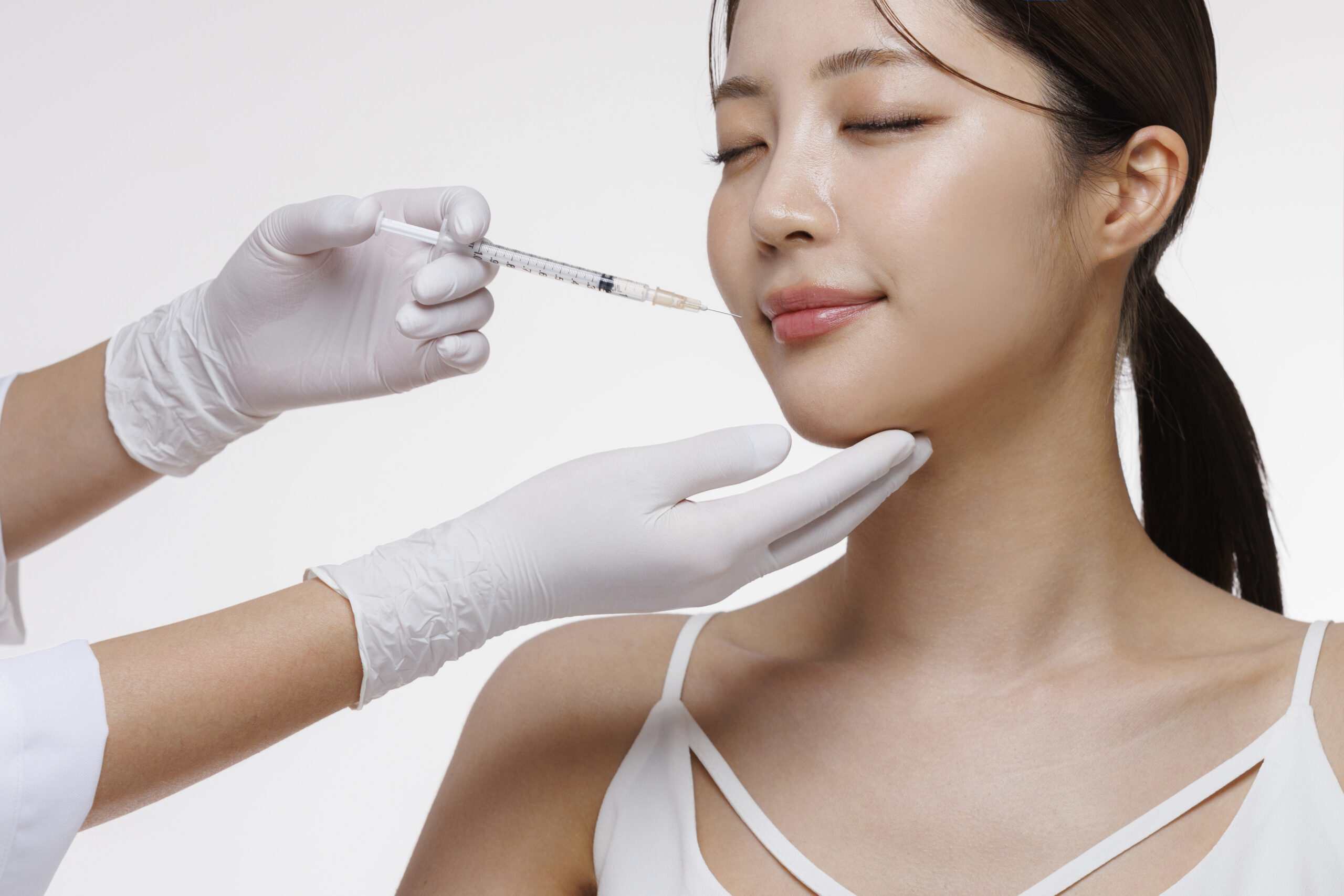
Non-Surgical Treatments (Botox, Fillers, Laser)
Recommended stay: 1–3 days
- Minimal downtime
- Follow-up usually not required
- Travel typically safe within 24–48 hours
These treatments involve low medical risk, but patients should still monitor for swelling or vascular complications in rare cases.
Minor Surgical Procedures (Double Eyelid, Small Liposuction Areas)
Recommended stay: 5–7 days
- Initial swelling peaks around days 2–3
- Early follow-up check often required
- Stitches may be removed before departure
Leaving before the first follow-up is generally not recommended.
Rhinoplasty (Primary)
Recommended stay: 7–10 days
- Splint removal typically around day 7
- Swelling significant during first week
- Early symmetry evaluation needed
Flying before splint removal or early monitoring may increase discomfort and risk.
Major Facial Surgery (Facelift, Jaw Surgery)
Recommended stay: 10–14 days
- Drain removal and close monitoring required
- Higher swelling and bruising levels
- Increased risk window for hematoma or infection
Longer stay improves safety and allows structured evaluation before departure.
Large-Volume Liposuction or Body Contouring
Recommended stay: 10–14 days
- Mobility limitations
- Compression garment monitoring
- Fluid retention assessment
- Travel-related swelling risk
Early flights may worsen swelling and discomfort.
What Happens During the Post-Surgery Stay?
During the recommended stay period, patients typically undergo:
- Post-operative checkups
- Swelling and wound assessment
- Suture removal (if applicable)
- Medication adjustment
- Clearance for air travel
This phase is not just about resting — it is about structured medical monitoring.
Patients who attempt to compress this timeline often underestimate the importance of in-person evaluation.
Is It Safe to Fly After Cosmetic Surgery?
Air travel introduces additional considerations:
- Cabin pressure changes
- Prolonged sitting
- Risk of deep vein thrombosis (DVT) in body procedures
- Swelling exacerbation
Doctors usually recommend waiting until:
- Active bleeding risk is minimal
- Major drains or stitches are removed
- Early infection signs are ruled out
Clear travel approval from your surgeon is essential.
The Risk of Leaving Too Early
Common problems associated with rushed departure include:
- Undetected early infection
- Hematoma formation after flying
- Unmanaged swelling
- Anxiety due to normal but unexpected recovery symptoms
While most cosmetic procedures in Korea are performed safely, recovery planning is often underestimated by international patients.
Surgery is only one part of the journey. Recovery structure determines outcome stability.
Individual Factors That Affect Stay Duration
Beyond procedure type, other variables matter:
- Age and overall health
- Smoking history
- Previous surgeries
- Complexity of revision procedures
- Individual healing response
No universal timeline fits every patient.
Personalized planning is safer than rigid scheduling.
Where Many Patients Need Structured Guidance
Korean clinics provide medical instructions and follow-up visits. However, international patients must independently coordinate:
- Accommodation length
- Flight timing
- Mobility considerations
- Post-return care plans
This coordination gap can create uncertainty.
KareTrip assists patients by:
- Clarifying realistic recovery timelines before booking flights
- Coordinating follow-up schedules
- Aligning travel plans with medical clearance
- Providing communication support after return
The goal is not to extend stays unnecessarily, but to ensure safe departure timing based on medical judgment rather than convenience.
Final Thoughts
There is no single “correct” number of days to stay in Korea after cosmetic surgery. The appropriate duration depends on the procedure and your individual recovery.
However, one principle remains constant:
Leaving too early carries more risk than staying slightly longer.
Korea offers advanced cosmetic surgery expertise, but recovery is an active medical phase — not a waiting period.
For international patients who want clarity before committing to travel dates, careful recovery planning is one of the most important steps in a safe and successful medical tourism experience.