A Guide for International Patients
Yes, cosmetic treatments in Korea are generally safe for international patients — when procedures are performed by licensed doctors at reputable clinics with proper aftercare.
Korea has become one of the world’s leading destinations for cosmetic and aesthetic treatments. From advanced dermatology procedures to cosmetic surgery, international patients travel to Korea for refined results, medical expertise, and continuous innovation.
At the same time, safety remains the number one concern for most foreign patients. Questions like “Is it really safe?”, “How do I choose the right clinic?”, and “What happens if complications occur?” are among the most common concerns.
This article addresses the key safety-related questions international patients ask when considering cosmetic treatments in Korea, based on real patient concerns rather than marketing claims.
Why Cosmetic Treatments in Korea Are Considered Safe
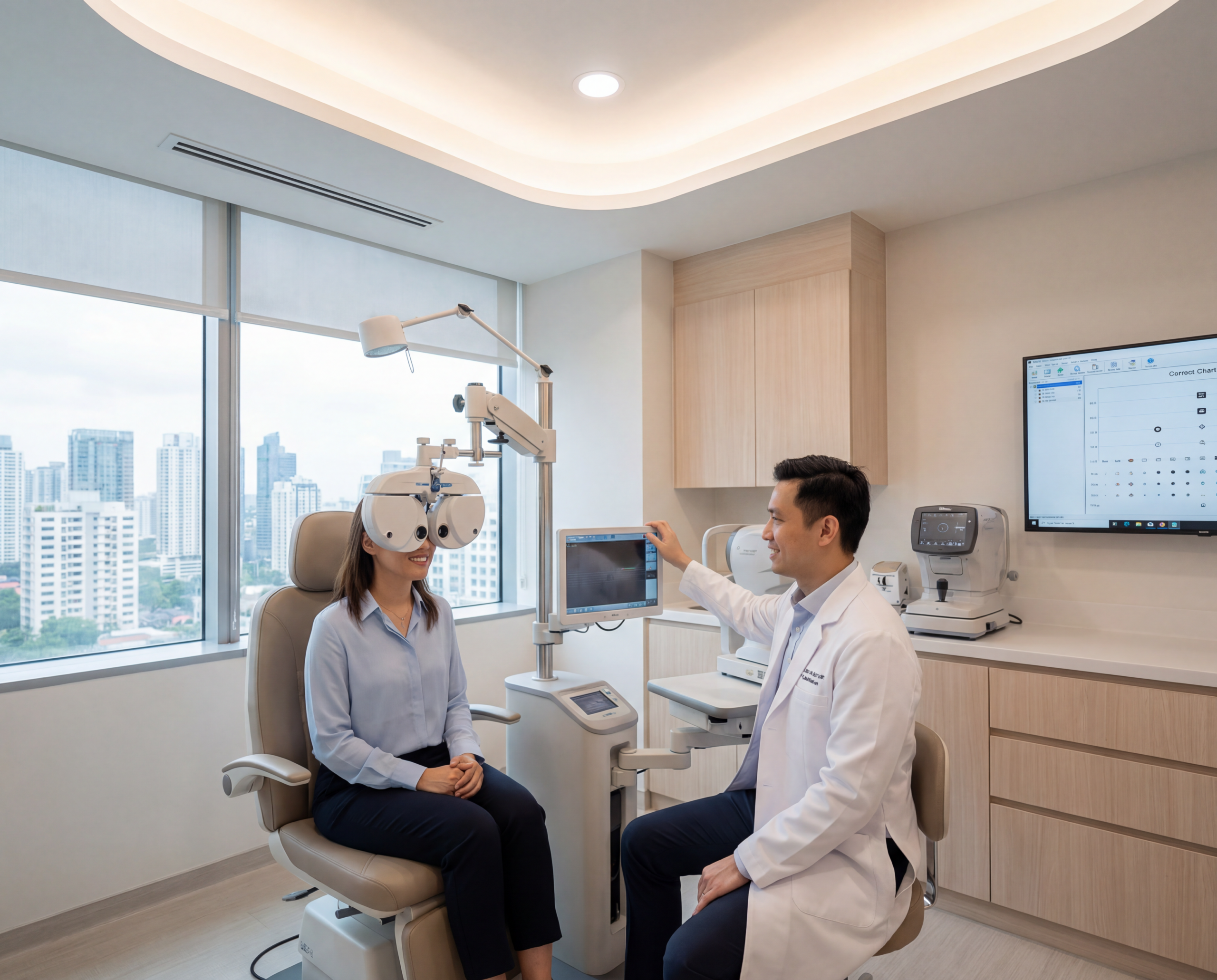
Korea operates under a highly regulated medical system. Physicians must hold nationally recognized medical licenses, and clinics are subject to ongoing oversight and legal accountability. In reputable facilities, cosmetic procedures are performed by board-certified doctors rather than technicians or assistants.
Another important factor is experience. Korea has one of the highest volumes of cosmetic and dermatologic procedures in the world. This allows doctors to refine techniques quickly and develop strong protocols for both routine treatments and potential complications.
For international patients, this depth of experience often translates into safer procedures, more predictable outcomes, and well-established recovery processes.
Cosmetic treatment safety in Korea is largely built on this combination of regulation, expertise, and clinical volume.
What International Patients Often Worry About
Despite Korea’s strong reputation, safety is not guaranteed across all clinics. Not every facility operates at the same standard, and aggressive marketing can sometimes make it difficult to distinguish truly reputable providers.
International patients commonly ask:
- How can I verify a clinic’s credibility?
- Who is actually performing the procedure?
- What kind of aftercare is provided?
- What happens if something goes wrong after I leave the clinic?
These concerns are valid, especially for patients unfamiliar with the local medical system. This is also where many patients begin to realize that finding information online alone is often not enough.
How to Identify Safe and Trustworthy Clinics in Korea
Reputable clinics typically share several characteristics:
- Clear information about licensed physicians and their specialties
- Transparent explanations of procedures, risks, and recovery timelines
- Proper consent processes and structured aftercare systems
- A willingness to say “no” to unnecessary or unsuitable treatments
However, evaluating these factors can be challenging without local knowledge, particularly when language barriers are involved.
This is why many international patients choose to work with KareTrip. KareTrip connects patients only with verified medical partners and helps assess whether a proposed treatment is truly appropriate — not just available.
The Role of Communication in Treatment Safety
Cosmetic treatments require more than technical skill. Clear communication about expectations, risks, limitations, and realistic outcomes is essential for both safety and satisfaction.
While many clinics offer basic English support, complex discussions around consent forms, side effects, or post-treatment care can still lead to misunderstandings. Cultural differences may also affect how information is delivered and interpreted.
KareTrip helps bridge this gap by providing medical interpretation, aligning expectations before treatment, and maintaining continuous communication between patients and clinics throughout the process.
Recovery, Aftercare, and What Happens After the Procedure
Safety does not end when the procedure is finished. Recovery management and aftercare play a critical role in long-term results.
International patients often worry about:
- When it is safe to travel after treatment
- How to manage swelling, bruising, or discomfort
- What to do if symptoms appear after returning home
Through real patient cases, KareTrip has supported international patients with recovery planning, follow-up coordination, and guidance tailored to each individual’s treatment and travel schedule.
Why Many International Patients Trust KareTrip
The popularity of cosmetic treatments in Korea is driven by medical expertise and strong outcomes. The reason many international patients choose KareTrip, however, goes beyond information.
Patients turn to KareTrip because they want:
- Clear guidance before making decisions
- Reduced risk through verified medical partnerships
- Support that continues beyond the procedure itself
KareTrip functions as a medical tourism concierge, supporting patients from initial consultation through treatment, recovery, and follow-up. The safety questions discussed in this article are the same concerns KareTrip addresses daily through real international patient experiences.
Final Thoughts
Cosmetic treatments in Korea can be very safe when approached correctly. The key lies in choosing the right providers, understanding the process, and ensuring proper communication and aftercare.
For many international patients, KareTrip is not just a source of information.
It is a trusted partner that helps design, support, and take responsibility for the entire cosmetic treatment journey in Korea.